
Last Updated on 2 weeks ago by Kasey Lynch

The way we talk about self care is all wrong. We treat it as something secondary — a luxury we’ll get to when we have time. But that couldn’t be further from the truth.
Taking care of ourselves is the only way to move from frustration, anxiety, and overwhelm to a life that feels peaceful, slower, calmer, and more fulfilling.
You might be thinking that sounds impossible. With a growing to-do list, constant demands for our attention, nonstop global events, heartbreaking news available 24/7, and screens dominating our days, it can feel like a dream to imagine life as anything other than stressful.
But I know firsthand that it’s possible. The only way I’ve been able to achieve it, sustain it, and expand it — into more peace, more gratitude, and more flow — is through self care.
I’m not talking about expensive facials, weekly massages, or week-long vacations (though those are lovely). True self care is about filling your own cup so you can show up grounded, make better decisions, and live in alignment with your values.
This guide breaks down what self care really means, why it’s essential for your overall health, and how to build a routine that fits your life. You’ll learn the science behind self care, explore the five key dimensions, and discover 50+ realistic ideas to nurture your wellbeing.
Whether you’re navigating burnout, seeking balance, or simply ready to live with more ease, consider this your roadmap to sustainable wellness.
What’s On Deck:
- What Is Self Care? A Modern Definition
- The 5 Dimensions of Self Care
- 35 Self Care Ideas & Activities
- How to Build a Self Care Routine That Sticks
- Self Care for Specific Situations
- Common Self Care Mistakes to Avoid
- Self Care Products and Tools Worth Investing In
- The Benefits of Consistent Self Care
- Expert Insights
- Your Self Care Action Plan
- FAQs About Self Care
- Self Care Can Unlock Your Best Self
What Is Self Care? A Modern Definition
The Definition of Self Care
According to The Chopra Center, self-care is the practice of tuning into your needs and taking intentional action to restore balance in body, mind, and spirit.
Let’s break that down, because each part matters.
Tuning into your needs means actually paying attention. It’s noticing when you’re running on empty, when your patience is worn thin, when your body is screaming for rest but your mind keeps pushing forward. Most of us have learned to ignore these signals so well that we’ve forgotten how to hear them. Self-care starts with listening.
Taking intentional action is where most people get tripped up. Self-care isn’t passive. It’s not just recognizing you’re stressed — it’s doing something about it. It’s making a deliberate choice to prioritize your wellbeing, even when (especially when) everything else feels more urgent.
Restoring balance acknowledges an important truth: you will get knocked off center. Life will drain you, challenge you, throw you off course. Self-care isn’t about achieving some perfect equilibrium and staying there forever. It’s about having the tools and awareness to bring yourself back when you inevitably tip too far in one direction.
Body, mind, and spirit reminds us that we’re not one-dimensional. You can’t think your way out of physical exhaustion. You can’t exercise away emotional pain. True self-care addresses all of you, including the physical sensations, the racing thoughts, and that deeper sense of meaning and connection that makes life feel worthwhile.
This isn’t about adding one more thing to your list. It’s about fundamentally shifting how you relate to yourself and your needs. It’s how you regulate stress, strengthen resilience, and maintain balance in a busy world.
What Self Care Is Not
- Selfishness: Taking care of yourself gives you more capacity to care for others.
- Just bubble baths: Self care is less about luxury and more about consistency.
- A quick fix: It’s a lifelong practice of nurturing your mental, emotional, physical, and spiritual health.
Related: What Is a Self Care Lifestyle? (And How to Actually Live It)
The (Abbreviated) Science Behind Self Care
Research shows that consistent self care can lower cortisol levels, improve sleep, and boost immune function. Studies link mindfulness and journaling with reduced anxiety and better emotional regulation. Physically, movement and rest enhance cardiovascular health, longevity, and quality of life.
Overall, committing to self care is one of the gateways to changing your emotional, physical, and mental state for the better.
The 5 Dimensions of Self Care
True self care addresses every part of you — body, mind, heart, spirit, and relationships. P.S. Grounded self care also addresses the relationship to self.
1. Physical Self Care
Move your body regularly (150 minutes of moderate activity weekly), eat balanced meals, stay hydrated, and get 7–9 hours of sleep. It sounds like a lot, I know. But you’ll feel the difference after just a couple of days. Once you recognize the feeling of having more energy, being well-rested, and understanding what it’s like to have clarity, you’ll recommit to physical self care over and over again.
How to improve it:
- Take a 10-minute walk after lunch (it also improves digestion and mental clarity)
- Swap screen time for stretching before bed (blue light disrupts melatonin production)
- Schedule your annual health checkup (preventive care catches issues early)
- Drink water first thing in the morning (even mild dehydration affects mood and focus)
2. Mental Self Care
Mental self care is one of the most impactful elements of your well-being. It can make or break your ability to get through the day without having emotional outbursts or feeling the need to disassociate on the couch for a couple of days. Keep your mind clear and focused through boundaries and cognitive rest.
How to improve it:
- Learn something new unrelated to work (novelty stimulates neuroplasticity)
- Take a digital detox — even 12 hours can improve sleep quality and reduce anxiety
- Journal your thoughts to process overwhelm (expressive writing has been shown to reduce intrusive thoughts and improve working memory)
- Practice doing one thing at a time instead of multitasking (our brains aren’t wired for sustained divided attention)
3. Emotional Self Care
Emotional health thrives on self-awareness and compassion. People who practice emotional self-care show lower levels of anxiety and depression, better relationship quality, and improved stress resilience.
How to improve it:
- Start therapy or counseling (research consistently shows talk therapy’s effectiveness for emotional well-being)
- Journal about your feelings, not just events (this creates emotional distance and clarity)
- Practice mindfulness to observe emotions without judgment (mindfulness-based interventions reduce emotional reactivity)
- Allow yourself to feel without rushing to “fix” it (emotional avoidance intensifies distress long-term)
4. Spiritual Self Care
Spirituality doesn’t have to be religious — it’s about meaning and connection. Research indicates that individuals with a strong sense of purpose tend to live longer, experience less cognitive decline, and report higher life satisfaction.
Even secular spiritual practices like awe-inducing experiences (watching a sunset, standing under a starry sky) have measurable effects: they reduce inflammation markers, increase prosocial behavior, and shift our perspective from self-focused to interconnected.
How to improve it:
- Meditate for even 5–10 minutes daily (reduces stress and increases gray matter density in the brain)
- Keep a gratitude journal (people who practice gratitude sleep better and have stronger immune systems)
- Spend time in nature (just 20 minutes in a natural setting lowers cortisol levels)
- Reflect on your values and purpose regularly (clarity on “why” strengthens resilience during challenges)
5. Social Self Care
We are wired for connection. Decades of research, including the Harvard Study of Adult Development — one of the longest studies on happiness — confirms that strong relationships are the most significant predictor of long-term wellbeing and longevity. Social isolation, on the other hand, carries health risks equivalent to smoking 15 cigarettes a day.
But social self-care isn’t just about quantity — it’s about quality. It’s nurturing relationships that energize you and setting boundaries with those that drain you.
How to improve it:
- Schedule regular coffee dates or phone calls with people who lift you up
- Set healthy boundaries without guilt (boundaries protect your energy and improve relationship quality)
- Reach out for help when needed (asking for support strengthens bonds and models vulnerability)
- Join a community or group aligned with your interests (shared activities create natural connection)
- Practice active listening in conversations (presence deepens intimacy more than advice-giving)
35 Self Care Ideas & Activities
Self care looks different for everyone! The key is finding what feels nourishing to you. Here are 35 ideas to help you create rituals that truly support your wellbeing.
Daily Self Care (5–15 Minutes)
- Morning meditation
- Gratitude journaling
- Stretching or yoga
- Deep breathing
- Skincare ritual
- Reading a few pages
- Walk outdoors
- Limiting phone use before bed
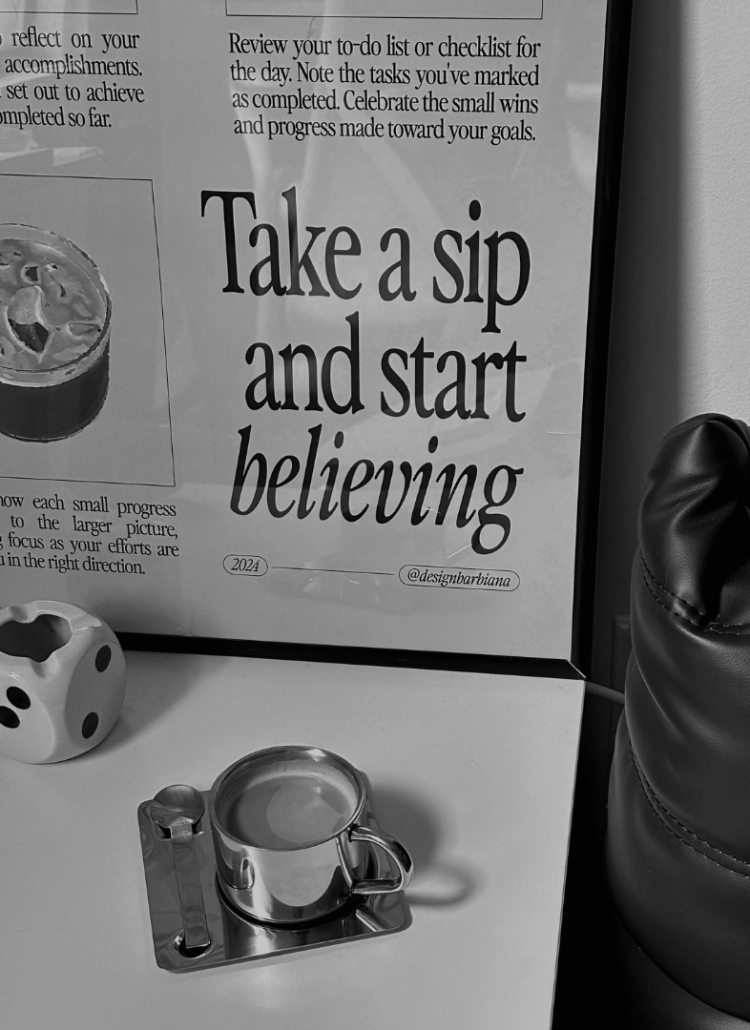
- Mindful coffee or tea time
- Positive affirmations
Weekly Self Care (30–60 Minutes)
- At-home spa night
- Creative hobby (painting, music, baking)
- Phone call with a loved one
- Meal prep for the week
- Decluttering a small space
- Attending a workout or dance class
- Volunteering or community involvement
- Nature hike or beach walk
- Reflection journaling
- Screen-free Sunday morning
Monthly Self Care Rituals
- Financial review
- Digital cleanup
- Goal setting and planning
- Scheduling medical or dental care
- Trying a new experience or skill
Self Care on a Budget
- Free YouTube yoga
- Journaling with a pen and notebook
- Library book days
- Homemade face mask
- Walk with a podcast
Self Care for Busy People
- 2-minute breathing breaks
- Stretch at your desk
- Hydrate before every meeting
- Set a “no-scroll” alarm
- Step outside between tasks
Want even more ways to fill your cup? Explore this full list of 50 Self Care Ideas to Add to Your Daily Routine and discover simple, actionable practices you can weave into every day.
How to Build a Self Care Routine That Sticks
Knowing what self-care is doesn’t mean much if you can’t actually make it happen. And let’s be honest, most self-care routines fall apart within days, not because you lack discipline, but because they’re built on unrealistic expectations.
You don’t need a complete life overhaul.
You don’t need an extra hour in your day that doesn’t exist.
You need a framework that works with your actual life — the messy, unpredictable, already-full one you’re living right now.
Here’s how to build self-care practices that don’t just sound good on paper, but actually become part of how you live:
Step 1: Assess Your Current State
Identify where you feel depleted (physically, emotionally, mentally, or all). Awareness is the first step toward balance! If you’re feeling so underwater that you can’t find clarity right now, crying in the shower or taking a bath does wonders for me. These are my go-to when I’m hoping to get my emotions to a quieter level and make room for clarity to surface.
Step 2: Start Small
Use the 2-minute rule: if it takes less than two minutes, do it now. Stack small habits (like listing what you’re grateful for in your head while brushing your teeth) to create lasting change.
If you want something more advanced, pick activities you can do in under 5 minutes next, then work your way up to 10 minutes, 15 minutes, and so on until you find the sweet spot of time that works best for you.
Step 3: Schedule It Like an Appointment
Block time for yourself in your calendar because if it’s not scheduled, it won’t happen. Trust me on this one! I have gone through tough months thinking that I’ll magically find time to take care of myself. Turns out, that ideal block of time never shows up on its own.
Step 4: Track and Adjust
Use a self care journal or app to track progress, and adjust your routine as your needs evolve.
Example Morning Routine (for busy professionals):
6:00 AM – Hydrate, stretch & supplements
6:10 AM – 10-minute meditation (I love the CHANI app, personally)
6:25 AM – Breakfast with no screens
6:45 AM – Gratitude journaling
Grab this free printable self-care checklist — packed with simple, inspiring ideas to help you prioritize your wellbeing throughout every day!
Self Care for Specific Situations
Mental Health
If you’re managing depression or anxiety, gentle self care like breathwork, journaling, or seeking therapy can help stabilize your mood. Asking for help is one of the strongest things you can do. Remember, self care supports but doesn’t replace professional help.
Burnout Recovery
Notice the early signs of burnout — exhaustion, irritability, or feeling constantly overwhelmed. When that happens, take a step back, rest, and reassess your workload. If extra resources aren’t available, consider adjusting your relationship with work. I recently had to make this shift myself. Instead of pushing through and letting stress deepen my burnout, I chose to double down on self care.
Here are a few practical ways to create, implement, and maintain boundaries that protect your mental health:
- Set clear work hours: Stop work at the same time every day to give yourself a predictable routine.
- Silence the phone: Avoid taking calls or responding to emails outside of your scheduled work hours.
- Plan PTO in advance: Schedule vacation or personal days at the beginning of each month or quarter to ensure you actually take time off.
- Prioritize your tasks: Focus on what only you can do and delegate or defer the rest.
- Create a shutdown ritual: End your workday with a small routine. Try closing your laptop, tidying your desk, or a brief reflection to signal to your mind it’s time to rest.
- Communicate boundaries clearly: Let coworkers and managers know your availability so expectations are set and respected.
By intentionally setting these boundaries, you protect your energy, prevent burnout, and make self care a consistent part of your work life. Lastly, burnout recovery means slowing down before your body forces you to.
Related: Self Care Hacks You Can Actually Do When You’re Busy
Chronic Illness
Research shows that prolonged stress and unresolved emotional trauma can have profound effects on the body. Your mental state isn’t separate from your physical health.
Chronic stress is linked to inflammation, weakened immune function, and a higher risk of conditions like heart disease, diabetes, and autoimmune disorders. In some cases, ignoring your internal needs or avoiding emotional healing can manifest as long-term health challenges or chronic illness.
When managing a chronic illness, it’s essential to adapt your self-care to your energy levels. Focus on practices that nurture both your body and mind:
- Prioritize rest and pacing: Listen to your body and balance activity with recovery to avoid flare-ups or exhaustion.
- Nutrition as medicine: Fuel your body with nutrient-dense foods that support immune function and overall vitality.
- Gentle movement: Low-impact exercises like stretching, yoga, or short walks can improve circulation, reduce stress, and support mobility.
- Supportive communities: Seek friends, groups, or online communities who understand your experience — emotional support is a critical part of healing.
- Mind-body practices: Meditation, journaling, or breathing exercises can help regulate your nervous system and reduce stress-related inflammation.
By integrating these strategies, you address both the mental and physical aspects of wellness, helping to prevent stress from translating into further health complications.
Seasonal Self Care
As the seasons change, so do our needs. Seasonal self care helps you align your routines with nature and nurture your mind, body, and spirit throughout the year. Below is a quick overview of the elements of self care you should focus on in each season:
- Winter: Light therapy, vitamin D, cozy routines
- Spring: Declutter, refresh habits
- Summer: Hydrate, protect your skin
- Fall: Grounding walks, reflective journaling
Related: The Complete Guide to Autumn Self Care Rituals
Common Self Care Mistakes to Avoid
- Making It Too Complicated: Start with one small practice, not a total lifestyle overhaul.
- Treating It as Optional: Self care is foundational, not a luxury.
- Comparing Yourself to Others: Your needs and capacity are unique.
- Neglecting One Dimension: Balance physical, emotional, mental, and social wellness.
- Giving Up Too Soon: Habits take about 66 days to form—progress matters more than perfection.
Self Care Products and Tools Worth Investing In
Essentials
- Quality pillow and blackout curtains for better sleep
- Meditation cushion or app (Insight Timer, Calm)
- Journal and pen for reflection
- Resistance bands or yoga mat for movement
- Aromatherapy diffuser or candles
I’ve spent way too much money trying a wide variety of self care products along my journey. If you want to skip the headache and get something you’ll love right away, check out my list of must-have self care essentials here.
Tech Tools
- Habit tracking apps like Notion or Habitica
- Fitness wearables
- Sleep trackers
- Screen time management apps
It’s entirely up to you what tech you want to use to track your overall wellbeing. I have friends who swear by their Apple watch, while others became quickly addicted to the Aura ring and never looked back. Garmin makes a stellar smart watch that’s been my go-to for years.
If you’re looking for something that also supports your fitness routine, check out Whoop instead.
The tech you use to track your wellbeing is completely personal, and the right tool can make all the difference. Some of my friends swear by their Apple Watch, while others can’t imagine life without the Oura Ring. Personally, I’ve relied on my Garmin smartwatch on and off for years, and it never lets me down.
If you want something that goes a step further and actively supports your fitness and recovery, Whoop is worth checking out. It’s helped countless people optimize their routines and energy levels.
Create Your Self Care Space
Set up a small, quiet corner with natural light, soft textures, and items that soothe your senses — your mini sanctuary for grounding moments. Aromatherapy is a great addition to cozy spaces, too.
The Benefits of Consistent Self Care
Incorporating self care into your daily routine isn’t just a feel-good habit — it’s a science-backed strategy for improving your overall health.
Regular self care practices can significantly reduce stress and lower cortisol levels, the body’s primary stress hormone. Chronic stress and elevated cortisol are linked to a range of health issues, including anxiety, depression, digestive problems, and heart disease.
Engaging in self care also enhances emotional regulation, helping you manage anxiety and navigate life’s challenges with greater clarity and calm.
Additionally, consistent self care improves sleep quality, which in turn strengthens your immune system and supports long-term well-being.
Physically, routines that balance rest, movement, and nutrition can enhance overall health, longevity, and quality of life.
If you’re looking to track your progress and stay motivated, consider tools like the Garmin Venu 2 Plus, which offers advanced health metrics and fitness tracking features. Learn more here.
Remember, investing in your well-being through consistent self care is not just a luxury — it’s a necessity for a healthier, more fulfilling life.
Expert Insights
Therapists, nutritionists, and holistic practitioners all agree: the best self care plan is one you’ll actually stick to. Small daily actions done consistently have a greater impact than occasional grand gestures.
Your Self Care Action Plan
7-Day Self Care Challenge
Try one new practice each day — like gratitude journaling, a mindful walk, or unplugging after dinner. Or, join my 7-Day Self Care Reset email series using the form below!
INSERT FORM BOX HERE
You’ll get one email every day in your inbox to break down self care practices into daily activities that are perfect for kickstarting your journey back to yourself.
30-Day Self Care Transformation
Build momentum with weekly themes: Rest, Nourish, Move, Connect, Reflect. Track your progress with a printable checklist or journal template.
FAQs About Self Care
Q: How much time should I spend on self care daily?
Start with 10–15 minutes and expand as you can. Consistency matters much more than duration.
Q: Is self care selfish?
Not at all. It’s essential maintenance that helps you show up better in every area of life.
Q: What if I don’t have time?
Begin with micro-moments: deep breaths, mindful sips, or a quick gratitude list.
Q: Can self care replace therapy?
No! It complements therapy but doesn’t replace professional care. Always seek professional support when or if you need it.
Q: How long does it take to see results?
Most people feel noticeable benefits, like better sleep or lower stress, within 2–4 weeks. For me, I’ve experienced an improvement in my mood, mental clarity, and emotional regulation after just one week of committing to daily self care rituals. But, early on my journey, it took much longer to get to a mental, physical, and emotional state that made a real difference in my daily life. Don’t give up. Keep going. You’re worth the effort.
Self Care Can Unlock Your Best Self
Self care isn’t a reward you earn; it’s a responsibility you owe yourself. It’s the most important job you have on this planet, but unfortunately, we’re not taught that early enough in my opinion. By caring for your body, mind, and spirit, you strengthen every other part of your life.
Quick recap:
- Self care is preventative, not indulgent
- Balance all five dimensions
- Start small and stay consistent
- Track progress and adjust
- Invest in your wellbeing — it pays lifelong dividends
Ready to keep the momentum going? Join the 7-Day Self Care Challenge using the form below to start building habits that support your best self today.



[…] Related: The Complete Guide to Self Care: Transform Your Wellbeing […]