
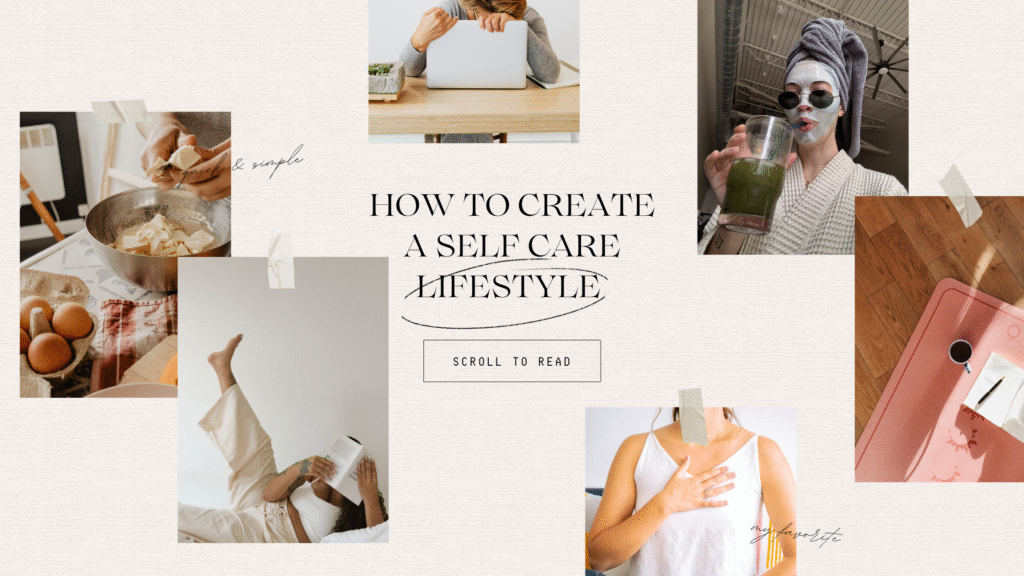
Let’s be real, self-care gets tossed around a lot these days. But living a self care lifestyle isn’t about bubble baths or $12 smoothies (unless that’s your thing).
It’s about building everyday habits that help you feel calm, grounded, and more like yourself.
The kind of habits that make your days flow a little easier — like taking a walk after dinner, keeping your phone out of reach in the mornings, or cooking a real meal on Sunday night instead of ordering in again.
At its core, self-care means intentionally taking steps to maintain and improve your mental, physical, and emotional well-being. It’s not about adding more to your to-do list; it’s about creating space to actually breathe in your own life.
What’s On Deck:
Why the Self Care Lifestyle Matters
The moment you start treating self-care like a lifestyle choice, everything starts to shift:
- You think clearer. Regular self-care helps manage stress and anxiety, promoting better mental clarity and emotional stability. Even a few minutes of quiet or journaling can help you tune back into yourself. My self care practices have helped spark moments of clarity during times of distress on numerous occasions.
- You move through stress better. Walks, deep breaths, and boundaries go a long way in helping you navigate life’s challenges with resilience and grace. Boundaries specifically help you figure out where you need to stand firm and which areas of your life allow for flexibility.
- You have more energy for what matters. By taking care of your own needs, you boost your energy and focus, allowing you to perform better in both personal and professional life. You can’t continue to pour from an empty cup and be surprised that there’s nothing left.
- You build stronger relationships. When your own cup is full, it’s easier to show up with love, patience, and empathy for others. Let the world fall in love with the overflow!
The Key Areas of Self-Care
To fully embrace a self care lifestyle, it helps to understand the different dimensions that support holistic well-being:
- Mental Self-Care: Activities like meditation, journaling, and learning new skills that keep your mind sharp and centered.
- Emotional Self-Care: Practicing self-compassion, expressing feelings constructively, and engaging in creative outlets.
- Physical Self-Care: Regular movement, balanced nutrition, and quality sleep that fuel your body.
- Social Self-Care: Building healthy relationships, nurturing connections, and developing a supportive network.
- Environmental Self-Care: Creating a safe and healthy living space that supports your energy and peace of mind.
- Spiritual Self-Care: Engaging in practices that promote peace and purpose, whether that’s mindfulness, time in nature, or attending religious services.
- Professional Self-Care: Establishing boundaries at work, seeking growth opportunities, and avoiding burnout.
If you came into this piece thinking self-care was just an aesthetic picture collage on Pinterest, I hope you’re starting to change your mind.
Related: Self Care Hacks You Can Actually Do When You’re Busy
How to Build a Self Care Lifestyle (Starting Today)
Building a lifestyle that supports you inside and out isn’t a luxury: it’s a necessity. It allows you to evolve and show up for yourself and others in ways you never thought were possible.
Taking the time to build solid self-care habits can be the difference between you committing to your future self’s happiness or choosing to be happy enough right now when life isn’t going your way.
Here’s how you can build a self-care lifestyle that suits your unique needs:
1. Care for Your Mind
Your mindset shapes everything — how you handle stress, how you make decisions, and how you talk to yourself. After all, perception is reality. If your cognition is clouded by out-of-control emotions, you won’t be able to get to the root cause of your issues. It’s like trying to see your reflection in a tumultuous ocean versus a calm lake.
Start small:
- Do a morning check-in. Ask yourself: “What do I need today?” It helps you lead your day, not react to it. This helps you determine what emotions you’re bringing with you into the day.
- Journal for clarity. Writing about your experiences and emotions provides clarity and catharsis. Even two sentences helps you release what’s swirling around in your head. If you’ve read The Artist’s Way, you’ll recognize this tactic. For those who haven’t, the book recommends three pages of stream of consciousness writing every morning to help inspire clarity, breakthroughs, and untapped productivity.
- Protect your focus. Dedicate time each day to sit in stillness or practice mindful breathing. A five-minute walk or breathing break can reset your entire mood. Personally, I keep this one in my back pocket when I get off an annoying or stressful work call.
- Real-life example: Try leaving your phone in another room until you’ve had coffee and a few deep breaths — it’s wild how much calmer your mornings feel. I challenge you to try this one out tomorrow morning. Don’t reach for your phone out of impulse. Give yourself the space to spend time internally before opting for external validation first thing.
2. Care for Your Body
Physical self-care is a cornerstone of overall health. I’m not talking about restrictive diets or 75 strong! I’m talking about taking care of your body by doing what makes you feel good, listening to what your body needs, and not judging yourself in the process.
- Move in a way that feels good. Find activities you actually enjoy, whether it’s yoga, running, weight training, or dancing in your kitchen. Aim for consistency over intensity—even 20-30 minutes of walking daily improves both physical health and mental clarity.
- Eat food that fuels you. Focus on wholesome foods like fruits, vegetables, lean proteins, and whole grains. Practice mindful eating by paying attention to portion sizes and savoring each meal without distractions. Remember: veggies and chocolate can coexist. A balanced self care lifestyle is just that, balanced.
- Rest like you mean it. Quality sleep is non-negotiable! My life has changed since I started taking my rest seriously. If you follow me on TikTok, you’ve likely seen a video about my passion for a quality wind-down routine. Take time to explore restorative practices like stretching or Tai Chi, and don’t underestimate the power of getting to bed 30 minutes earlier without your phone in your hand.
- Try this ritual: Cook your favorite meal on Sunday night, light a candle, and eat it outside. It’s part dinner, part reset, and it sets the tone for your week. Anything you do that allows you to enjoy a seemingly routine activity without distraction is one step closer to reconnecting to who you are at your core.
Related: Why Mindful Movement Deserves a Spot in Your Daily Self-Care Routine
3. Care for Your Environment
Your space mirrors your energy. If your environment feels chaotic, it’s hard to feel grounded. Here are a handful of tips to help cultivate a comfortable, calming, and welcoming space that supports your mental health:
Tidy a little, often. Make your bed, wipe your counters, or clear one small corner. Minimizing clutter instantly changes how you feel.
Bring nature in. Crack open a window, add plants, or take your coffee outside. Nature regulates your nervous system like nothing else and fosters a deeper connection to the world around you.
Create a calm zone. Designate a cozy chair, porch swing, or quiet nook where you can just be — no screens, no noise. This becomes your sanctuary for breathing room in your own life.
It’s much easier to foster a sense of mental calm when you don’t have to look around and see a growing to-do list.
4. Foster Social Connections
Humans are inherently social beings, and nurturing relationships is crucial for well-being.
- Spend quality time with loved ones doing activities you enjoy together
- Check in with friends or family members regularly about their lives and yours
- Volunteer or join clubs to meet new people and give back to your community
This can even be as simple as chatting to a barista at a local coffee shop or stopping by the florist down the street. Don’t overcomplicate it.
Check out this video on my Fill Up Your Cup Checklist — the perfect list to help you plan a weekend that leaves you feeling rejuvenated and ready for the week ahead.
Creating Your Self-Care Lifestyle Plan
Just as you wouldn’t start a journey without a map, embracing a self care lifestyle requires intentionality:
- Assess your needs. Reflect on your current habits and identify areas for improvement across mental, physical, emotional, and social well-being.
- Set realistic goals. Aim to incorporate changes that are manageable within your lifestyle. Start small to build momentum.
- Track your progress. Keep a journal or use an app to monitor your self-care activities and their impact on how you feel.
Half of the battle is learning how to set yourself up for success. The work is hard enough, which is where these tools and tips come in.
When Self Care Feels Hard
There will be seasons when self-care feels impossible. You’re busy. You’re tired. You’re stretched thin. (This is the state I’m currently in)
Here’s the thing: self-care practices are designed to help pull us back up to the surface when life gets heavy. Each practice is an anchor we can grab onto while the world spins out of control.
Self-care is about choosing yourself in the small moments.
Time constraints? Busy schedules can make self-care seem impossible. Try five deep breaths between tasks or stepping outside after every call. Prioritize what truly matters and commit to short, consistent practices.
Feeling guilty? Many people feel guilty prioritizing their own needs. Self-care is necessary for your well-being and allows you to support others better. You’re allowed to rest. You don’t need to earn it. You also don’t have to explain to others why you need it.
Low budget? Self-care doesn’t have to be expensive. The best practices are free: walking, meditation, journaling, sunlight, and saying no.
Every small act counts.
Your Next Chapter Starts Here
Embracing a self care lifestyle is more than just a series of activities — it’s a mindset shift that supports intentional living and honors your energy.
The self care lifestyle is about doing what matters most, regardless of what your calendar looks like. It’s a way of living that supports your nervous system, helps you feel grounded, and reminds you that you matter too.
By integrating these practices, you’ll find yourself better equipped to handle life’s ups and downs. This commitment to nurturing your mind, body, and soul not only enhances your own life but also positively impacts those around you, creating a ripple effect of well-being and joy.
Start small. Stay consistent. And let those little shifts build a life that feels aligned, grounded, and deeply yours.
Because when you take care of you, everything else gets easier to manage.



[…] Related: What Is a Self Care Lifestyle? (And How to Actually Live It) […]