Last Updated on July 20, 2026 by Kasey Lynch
I’ve tested 20+ pairs of organic cotton and cotton underwear. These are the brands that are worth taking a closer look at when you’re prioritizing sustainability, lowering your environmental load, reducing plastic exposure, and more.
Here’s the thing nobody tells you when you start shopping for “cleaner” underwear: most of what’s marketed as cotton isn’t actually all cotton. You’re looking at blends — polyester, modal, elastane — plus synthetic dyes and chemical finishes that sit against your skin all day, every day. That adds up.
This post isn’t about aesthetics or cute prints. It’s a straight ranking based on material safety, certifications, and construction transparency. I’ve done the digging so you don’t have to.
How I Ranked These Organic Underwear Brands
What “Non-Toxic Underwear” Actually Means
Before we get into the list, it helps to know what you’re actually evaluating — because “organic cotton” on a label doesn’t automatically mean a fully clean product.
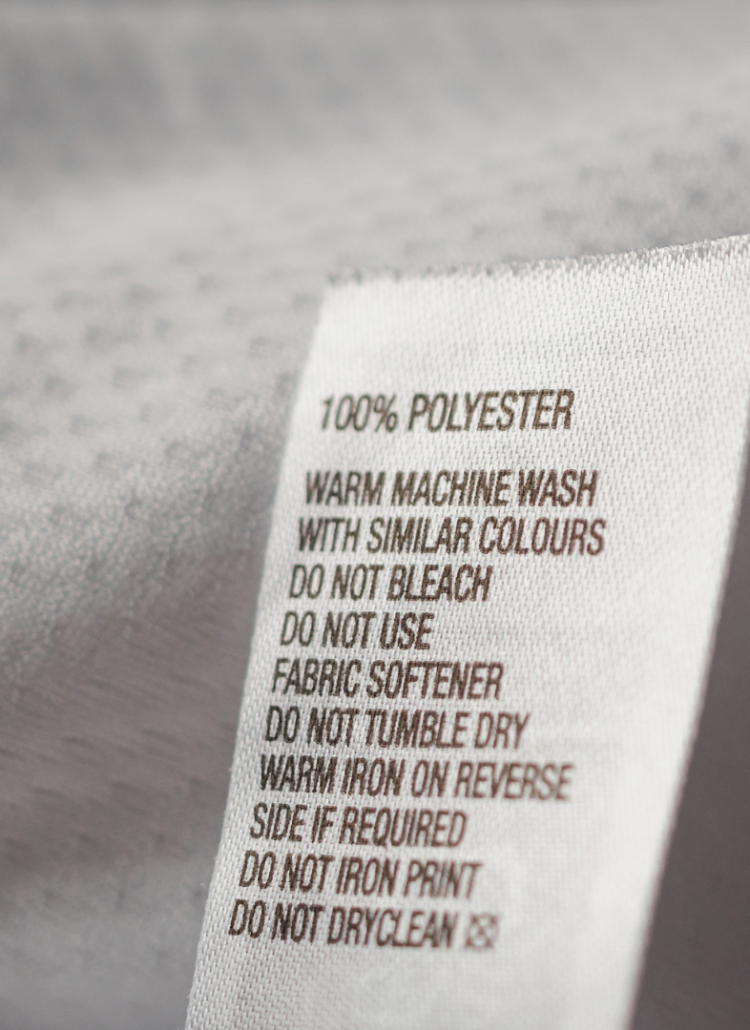
Fabric content is the obvious one. 100% organic cotton is the gold standard. The moment you see a blend — even a small percentage of polyester, nylon, or modal — you’re introducing synthetic fibers that can shed microplastics and may contain chemical processing agents.
Elastic is where a lot of otherwise clean brands fall short. Most underwear elastic is made from spandex or elastane, both synthetic. Cleaner alternatives include natural rubber elastic or cotton-wrapped elastic bands.
Dyes matter more than most people realize. Conventional dyes can contain heavy metals and other compounds. Plant-based dyes and low-impact dyes are meaningfully safer options. Undyed is even better.
Certifications to look for: GOTS (Global Organic Textile Standard) is the most rigorous — it covers both the fiber and the processing. OEKO-TEX Standard 100 certifies that the finished product is free from harmful substances. Both are meaningful; GOTS is harder to earn.
My Ranking Criteria
- Percentage of organic cotton in the fabric
- Presence (or absence) of synthetic materials
- Dye transparency and safety
- Third-party certifications
- How open the brand is about its supply chain and construction
The Best Organic Cotton Underwear Brands, Ranked
1. Kent — Best 100% Plastic-Free Underwear
Kent is the brand for people who want zero synthetic content, full stop. No elastane, no polyester binding, no synthetic dyes. Their underwear is constructed entirely from organic cotton, including the elastic, which is one of the hardest things to get right. If you’re deeply committed to a low-tox, plastic-free approach to clothing, this is your starting point.
The trade-off? Fit and stretch are different from what most people are used to. It’s worth trying if you’ve been frustrated by brands that get the fabric right but still sneak in synthetic elastic.
Best for: Hardcore low-tox living, plastic-free households, those avoiding all synthetic materials.
2. Q for Quinn — Best for Non-Toxic Everyday Wear
Q for Quinn hits a balance that’s genuinely hard to find: clean materials that you’ll actually want to wear every day. They use GOTS-certified organic cotton and, notably, plant-based dyes — which puts them ahead of most brands that are organic on the fiber side but vague about their dyeing process.
The color range is naturally limited (plant dyes don’t do neons), but the quality is consistent, and the transparency about their process is refreshing. This is the brand I’d recommend to someone who’s done with greenwashing and wants reliable basics.
Best for: Everyday wear, plant-dye enthusiasts, people who want clean + practical.
3. La Coochie — Most Underrated Clean Brand
La Coochie doesn’t get nearly enough attention. They use organic cotton and, crucially, cotton-wrapped elastic with OKEO-TEX certified elastane lace — one of the cleaner elastic solutions available without going fully elastic-free. These are small details that make a real difference when you’re trying to minimize synthetic fiber contact.
Their branding is skin-health-forward, and the construction backs that up. Worth a serious look if you’ve been bouncing between brands without finding one that checks the box.
Best for: People avoiding spandex and elastane, those with skin sensitivities around waistbands.
4. Pansy Co. — Best Natural Rubber Elastic Option
Pansy Co. takes a different approach to the elastic problem: natural rubber. It’s a legitimate alternative to synthetic elastic and one that not many brands bother with. They also lean into compostable packaging and end-of-life thinking, which puts them in a stronger position overall on environmental impact.
Not the most minimalist aesthetic, but if material integrity matters to you, the construction is solid.
Best for: Sustainability-focused shoppers, those who want a plastic-free elastic solution, compostable packaging advocates.
5. Oddobody — Best Minimal Organic Cotton Basics
Oddobody keeps things simple, which is exactly the point. Minimal processing, organic cotton, clean basics. No fuss, no over-engineering. If you want underwear that just exists without a lot of performance claims attached to it, this is a solid pick.
It won’t win awards for innovation, but “clean and simple” is actually a high bar when you look at how most underwear is made.
Best for: People who want unfussy basics, minimalists, those new to organic cotton shopping.
6. JulieMay — Best for Sensitive Skin and Eczema
JulieMay uses a cotton-silk blend, which sets them apart from everything else on this list. Silk is a natural protein fiber with a smooth surface that reduces friction — a genuine benefit if you deal with eczema, reactive skin, or irritation from seams and elastic.
It’s not 100% cotton, but it’s also not synthetic. For anyone who’s struggled to find underwear that doesn’t aggravate their skin, this is one of the few brands specifically worth trying.
Best for: Eczema, sensitive skin, anyone who reacts to friction or rough fabric textures.
7. Subset — Best Mainstream Organic Option
Subset is GOTS-certified and more widely available than most brands on this list, which makes it a practical entry point for people transitioning away from conventional underwear. They use organic cotton and the quality is consistent.
The honest trade-off: there is some elastane in the construction. It’s a minor synthetic content compared to most mainstream brands, but if you’re trying to eliminate elastane entirely, it’s worth noting. For most people making a first swap, this is a comfortable, reliable choice.
Best for: People switching from conventional brands, those who want GOTS certification without sacrificing fit.
Related: Huha vs Subset: Best Underwear for Sweat vs Everyday Wear
8. Tizz & Tonic — Best Entry-Level Clean Swap
Tizz & Tonic is a good first step. They’re cleaner than anything you’ll find at a department store, use better materials, and are priced more accessibly than some of the more specialized brands above. They’re not fully non-toxic by strict standards, but they’re a meaningful upgrade.
If someone tells you they want to start somewhere without overhauling their entire routine at once, this is what I’d point them toward.
Best for: Budget-conscious shoppers, beginners, those making incremental improvements.
Tier Breakdown at a Glance
Tier 1: Fully Non-Toxic / Plastic-Free
- Kent — no synthetics anywhere in the construction
- Q for Quinn — organic cotton + plant dyes
- La Coochie — organic cotton + cotton-wrapped elastic + OKEO-TEX certified elastane
Tier 2: Very Clean (Minor Trade-Offs)
- Pansy Co. — natural rubber elastic, strong sustainability ethos
- Oddobody — minimal processing, clean basics
- JulieMay — cotton-silk blend, best for sensitive skin
Tier 3: Cleaner Than Conventional
- Subset — GOTS-certified, small elastane content
- Tizz & Tonic — better than mainstream, not fully clean
Organic Cotton vs. Regular Cotton Underwear
If you’re wondering whether the “organic” label is actually worth paying for, here’s the practical version:
Conventional cotton is one of the most heavily pesticide-treated crops in the world. Those residues don’t disappear after harvest — they can persist through processing and into the finished fabric. Organic certification means the cotton was grown without synthetic pesticides and fertilizers, and with GOTS certification, the processing (dyeing, finishing) also meets stricter standards.
For most clothing, the skin-contact argument is relatively minor. For underwear — which sits against some of your most absorptive, sensitive skin, all day — the case for organic is stronger. Add in the breathability of natural fibers and the microbiome impact of reducing synthetic material contact, and the upgrade starts to make more practical sense.
Is it a dramatic health intervention? Probably not. Is it a lower-load choice that compounds over time? Yes.
Related: A Clear Guide to the Best Underwear Fabrics (Cotton, Bamboo & TENCEL™ Compared)
Is Organic Cotton Underwear Really Worth It?
The honest answer: it depends on where you’re starting from and what you’re optimizing for.
If you have sensitive skin, recurring irritation, or a skin condition like eczema, organic cotton with clean dyes and minimal synthetics is likely to make a noticeable difference. If you’re hormone-conscious and already reducing synthetic exposure in other areas of your life, your underwear is low-hanging fruit. If you’re approaching this from a sustainability angle, natural fibers and ethical certifications are a meaningful step.
If you’re a generally healthy person with no skin issues and no particular sensitivity concerns, the difference may be subtle. That said, underwear is one of those categories where the cost-per-use is low, and the upgrade cost is relatively small — so the bar for “worth it” is lower than it might seem.
Related: Merino Wool vs Organic Cotton: A Practical Guide for Low-tox Living
What to Avoid When Buying “Clean” Underwear
A few things to watch out for as you shop:
“Cotton blend” without specifics. If a brand says cotton blend and doesn’t tell you what the other fiber is, assume it’s polyester or nylon. That’s a pass.
Hidden elastane. Check the fabric content label, not just the product description. Elastane often shows up in small percentages that brands don’t lead with.
Vague sustainability language. “Eco-friendly,” “conscious,” “sustainable” — none of these mean anything without a certification or a specific claim to back them up. Look for GOTS or OEKO-TEX.
Synthetic dyes with no disclosure. If a brand talks extensively about their fabric but says nothing about dyeing, it’s worth questioning.
Modal marketed as natural. Modal is made from beech wood pulp, which sounds natural, but the processing involves significant chemical treatment. It’s not in the same category as organic cotton.
FAQ
What is the healthiest fabric for underwear?
Organic cotton is the most widely recommended option, given that it’s breathable, natural, and free from the synthetic additives common in performance fabrics. Undyed or plant-dyed organic cotton is the cleanest version. Silk is a strong secondary option for sensitive skin.
Is 100% cotton underwear better than blends?
For breathability and reducing synthetic exposure, yes. Blends — particularly those containing polyester or nylon — shed microplastics with wear and washing. They also tend to trap heat and moisture more than pure cotton, which isn’t great for the area they’re covering.
What underwear has no microplastics?
Kent is the clearest answer here since they don’t use synthetic fibers anywhere in the construction. Certain styles from Pansy Co. and Q for Quinn also qualify. The key is checking not just the fabric but the elastic, since that’s where synthetics often sneak in.
Is elastane bad in underwear?
“Bad” is a strong word, but it’s worth understanding what it is: a synthetic fiber that contributes to microplastic shedding and isn’t biodegradable. It’s not acutely toxic, but if you’re reducing plastic exposure across your life, elastane in everyday underwear is worth minimizing.
What’s the difference between GOTS and OEKO-TEX?
GOTS (Global Organic Textile Standard) covers the entire production chain — from fiber to finished product — and requires organic farming practices plus responsible processing. OEKO-TEX Standard 100 tests the finished product for harmful substances but doesn’t govern how it was made. Both are meaningful. GOTS is more rigorous and harder to certify for.
Final Verdict
If you want zero compromise on synthetic content: Kent.
If you want clean materials you’ll actually wear consistently: Q for Quinn.
If sensitive skin or eczema is driving your decision: JulieMay.
If you’re making your first swap and want something accessible: Subset or Tizz & Tonic.
The perfect underwear drawer doesn’t have to happen overnight. Start with one brand, see how your skin responds, and go from there.
These eight brands are all meaningfully better than what you’ll find in a conventional drawer — and that’s a good place to start.