Last Updated on June 17, 2026 by Kasey Lynch

If you’ve started paying closer attention to what your clothes are made of, you’ve probably noticed that shopping for natural fiber clothing brands isn’t always straightforward.
“Sustainable” doesn’t automatically mean cotton, linen, wool, or silk, and many brands that market themselves as eco-friendly still rely heavily on synthetics.
Whether you’re building a lower-tox wardrobe, prioritizing breathable fabrics, or investing in better-quality basics that actually last, this guide covers 16 natural fiber clothing brands worth knowing — organized the way most people actually shop: where to start, the hidden gems, and the elevated investments that anchor a wardrobe for years.
But first, a quick primer on why natural fibers matter, and what you’re actually looking for on a label.
Table of Contents
- What Are Natural Fibers (And Why Should You Care)?
- How to Read a Clothing Label
- The Gateway Brands: Best Natural Fiber Clothing Brands to Start With
- Hidden Gem Natural Fiber Clothing Brands Worth Discovering
- Elevated Natural Fiber Clothing Brands Worth Investing In
- How to Build a Natural Fiber Wardrobe (Without Replacing Everything at Once)
- Natural Fiber Clothing: Frequently Asked Questions
- Intentional Shopping Builds a Closet You Love
What Are Natural Fibers (And Why Should You Care)?
Natural fibers come from plants or animals. They’ve been used in clothing for thousands of years — long before petrochemical-derived synthetics like polyester, nylon, and acrylic entered the picture in the mid-20th century.
Here’s a quick breakdown of the most common natural fibers you’ll see in clothing:
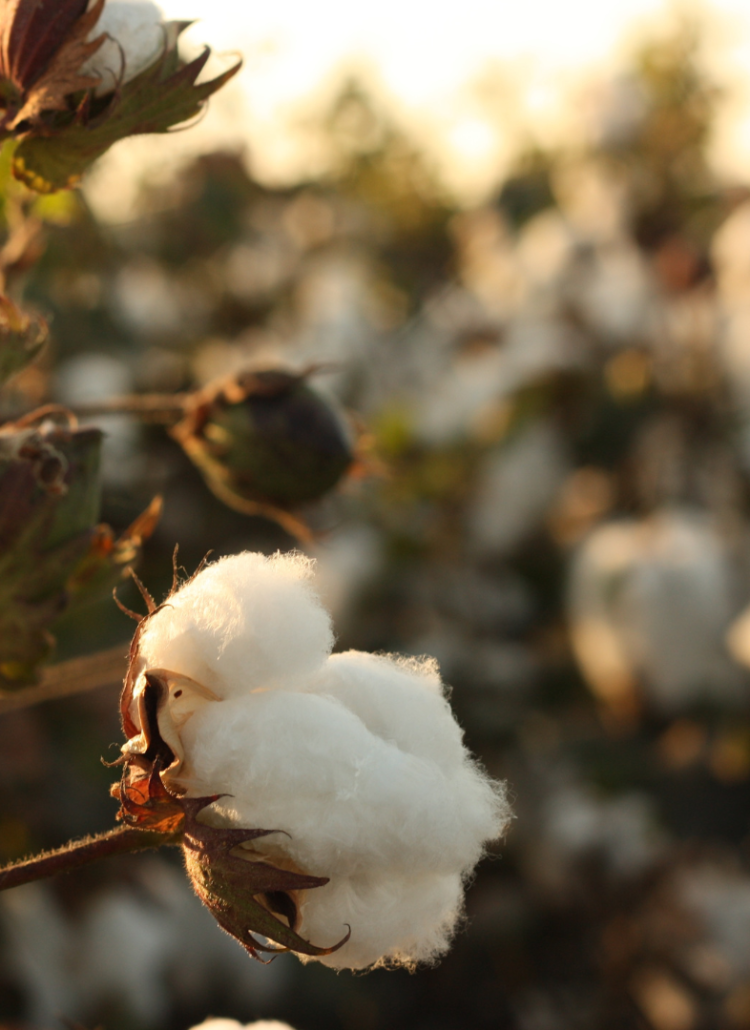
- Cotton — Soft, breathable, and widely available. Conventional cotton is one of the most pesticide-intensive crops in the world, so organic or GOTS-certified cotton is worth seeking out when possible.
- Linen — Made from flax, linen requires minimal water and pesticides to grow. It’s naturally temperature-regulating, gets softer with every wash, and ages beautifully.
- Hemp — One of the most environmentally low-impact fibers available. Hemp grows quickly, requires little water, and produces a durable fabric that softens over time.
- Wool — A renewable, biodegradable fiber with natural moisture-wicking and temperature-regulating properties. Look for RWS (Responsible Wool Standard) certification for animal welfare assurance.
- Silk — Protein-based, naturally hypoallergenic, and temperature-regulating. The most luxurious natural fiber — and the most expensive.
- Cashmere — Exceptionally soft wool from cashmere goats. High-quality cashmere is an investment that pays off in longevity; poorly made cashmere pills quickly.
What About Bamboo, Modal, and Tencel?
These are plant-derived but chemically processed — they fall into a gray zone. Bamboo viscose and modal start as natural materials but go through intensive chemical processing to become fabric.
Tencel (lyocell) is generally considered the most responsibly produced of the bunch, with a closed-loop manufacturing process. They’re not traditional natural fibers, but they’re a significant step up from petroleum-based synthetics.
Related: A Clear Guide to the Best Underwear Fabrics (Cotton, Bamboo & TENCEL™ Compared)
Why Avoid Synthetic Fabrics?
The case against synthetics isn’t just environmental — though microplastic pollution is a serious concern.
Every time a synthetic garment is washed, it sheds tiny plastic particles that pass through water treatment systems and enter waterways. But there’s also a personal health angle: synthetic fabrics can trap heat and moisture, irritate sensitive skin, and some are treated with chemical finishes (like PFAS-based “wrinkle-resistant” coatings) that raise legitimate health concerns.
If you’re building a lower-tox lifestyle — paying attention to what you eat, what goes on your skin, and what you bring into your home environment — it makes sense to extend that thinking to what you wear.
How to Read a Clothing Label
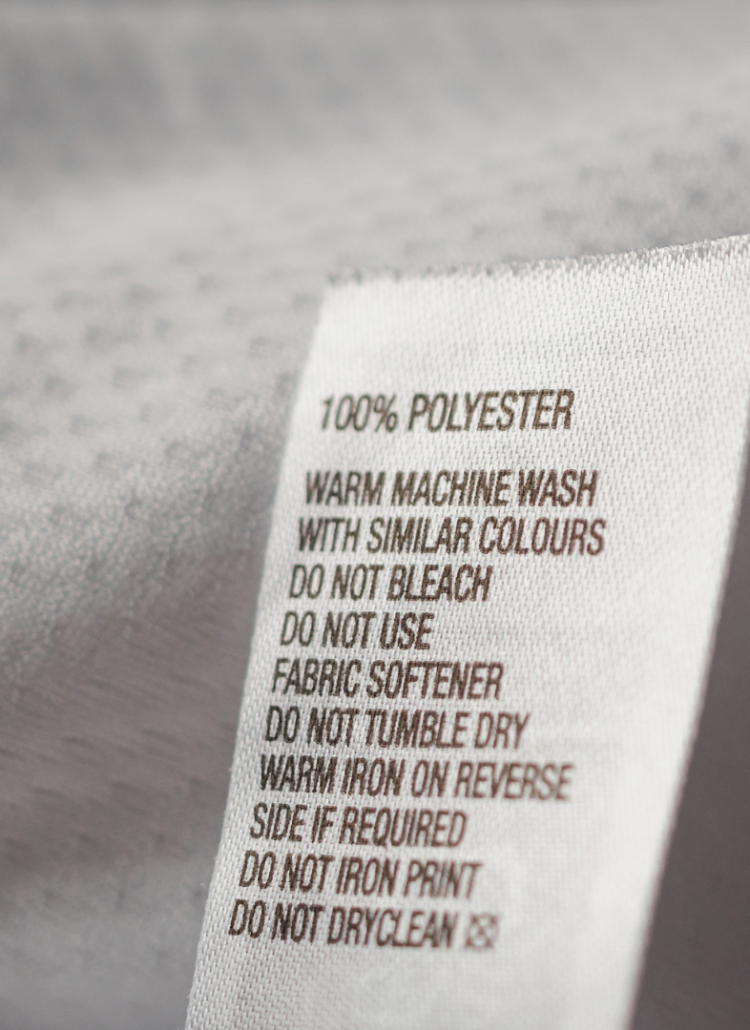
Before diving into the brands, this is the single most useful skill you can develop as a natural fiber shopper: actually checking the fabric content tag.
A few things to look for:
- Percentage matters. A garment labeled “cotton” might be 52% cotton, 48% polyester. Look for 95–100% natural fiber content whenever possible.
- “Sustainable” ≠ natural. Recycled polyester is marketed as sustainable. It’s still plastic.
- Certifications add credibility. GOTS (Global Organic Textile Standard), OEKO-TEX, and Fair Trade certifications indicate third-party verification, not just vague brand claims.
- Spandex/elastane is almost always present in stretch fabrics. A 2–5% elastane content is common and largely unavoidable in fitted or activewear pieces. That’s a reasonable trade-off.
- “Natural dyes” and “low-impact dyes” are worth noting, since conventional dyeing processes can involve harsh chemicals that remain in the fabric.
The Gateway Brands: Best Natural Fiber Clothing Brands to Start With
If you’re new to shopping for natural fibers, these brands offer accessible styles, familiar names, and an easy introduction to cotton, linen, hemp, and secondhand shopping. None require a major wardrobe overhaul to get started.
1. Mate the Label
Best for: Elevated basics in organic cotton and linen
Price range: $$
Key fibers: Organic cotton, linen, Tencel
Mate the Label has become one of the most recognizable names in the natural fiber clothing space — and for good reason. The Los Angeles brand produces California-inspired essentials in neutral, wearable tones with a strong focus on non-toxic materials. Their factory is located just 17 miles from their headquarters, and they use low-impact dyes throughout.
The aesthetic falls somewhere between effortless and intentional: oversized tees, soft sets, linen separates, and foundational pieces that mix and match without effort.
Look for: Organic cotton sweat sets, linen dresses, and classic tees
Certifications: GOTS-certified organic cotton, low-impact dyes
Check out my favorite Mate the Label pieces that I’ve loved for over 6 years here →
2. prAna
Best for: Outdoor lifestyles and activewear
Price range: $$
Key fibers: Organic cotton, hemp blends
prAna bridges the gap between performance and everyday wear, making it a strong pick whether you’re hitting a trail or running weekend errands. The brand incorporates organic cotton and hemp into everything from hiking clothes to casual staples, making it one of the more accessible places to find hemp-blend clothing in functional, flattering cuts. That versatility is part of what sets prAna apart — these aren’t pieces you have to change out of the moment your activity ends.
The sizing is inclusive, the styles skew practical, and the price points are reasonable for the quality, especially given the brand’s commitment to more responsible material sourcing. For shoppers who want natural fiber options without sacrificing performance or breaking the budget, prAna consistently delivers.
Look for: Hemp-blend pants, organic cotton tops, versatile travel pieces
Worth knowing: Not all prAna styles are synthetic-free! Be sure to check labels on performance pieces.
3. Levi’s
Best for: Denim in natural fibers
Price range: $–$$
Key fibers: Cotton (including 100% cotton options)
You don’t have to overhaul your entire closet overnight. But if you’re itching to add a cult-classic to your closet that’s worth the price point, passes longevity tests, and has inclusive styles? Levi’s is where it’s at.
Levi’s remains one of the most accessible places to find cotton-forward denim in a wide variety of cuts, washes, and price points — including styles with no synthetic stretch blend.
I have thrifted Levi’s shorts for years and even added a few brand new jeans to my collection this season because they’re my go-to denim brand and frankly don’t miss. If you’re trying to reduce polyester in your wardrobe without starting from scratch, the denim aisle is a logical first stop.
Look for: 100% cotton denim styles; check the tag and avoid “stretch” options if you want to skip the synthetics.
4. Organic Basics
Best for: Underwear and foundational essentials
Price range: $$
Key fibers: Organic cotton, TENCEL
Organic Basics is a favorite among natural fiber shoppers, particularly for underwear, socks, and foundational pieces. The brand is transparent about materials and holds several third-party certifications. I was recently gifted a variety of pairs of underwear and entered into my wear tests without expectations. I’ve only tried two styles thus far, and I can confidently say they’re absolutely worth considering when you’re shopping for natural fiber clothing brands that offer styles you’ll reach for time and time again.
One caveat: not every item is made from natural fibers. Many collections incorporate recycled synthetics, which I’m a big fan of. However, to make your shopping experience easier, filter specifically for organic cotton styles to cut down on unnecessary scrolling.
Look for: Organic cotton underwear, bralettes, and base-layer tees.
Certifications: GOTS, OEKO-TEX
5. Natural Life
Best for: Relaxed, boho-inspired everyday wear
Price range: $
Key fibers: Cotton blends
Natural Life is known for its carefree aesthetic, colorful prints, and accessible price points. I know them fondly as the brand that made my favorite pair of cotton pants I’ve ever owned. I wish they still made the style I have because I would buy them in every single color. Although they don’t make the exact style I’m in love with, they do make similar cuts that I have in my cart.
While the brand does carry some synthetic blends, there are consistently cotton pieces worth finding — especially in their dress and casual separates categories. It’s a good entry point if you’re new to the space and want to explore the aesthetic without a significant investment.
Look for: Cotton dresses, graphic tees, and relaxed separates. Check labels carefully.
6. thredUP
Best for: Affordable natural fibers via secondhand
Price range: $
Key fibers: Whatever you filter for — linen, cotton, wool, silk, cashmere
Secondhand shopping is one of the most underrated ways to build a natural fiber wardrobe. thredUP lets you filter search results by fabric content, which means you can specifically hunt for linen, cotton, wool, and silk from brands you already know — at a fraction of retail price.
This is especially valuable for wool sweaters and cashmere, which can cost $150–$400 new but regularly appear on thredUP for under $30.
Look for: Linen dresses, wool and cashmere sweaters, vintage cotton denim.
Pro tip: Set saved searches for specific fibers and brands so new inventory alerts you automatically.
Hidden Gem Natural Fiber Clothing Brands Worth Discovering
These brands don’t dominate the “sustainable fashion” roundups, but they consistently deliver thoughtful, high-quality pieces for specific needs and aesthetics. Worth bookmarking.
7. Cottonique
Best for: Sensitive skin, eczema, allergies
Price range: $$
Key fibers: Organic cotton (very high percentage)
Cottonique is one of the most specialized brands in the natural fiber clothing space — and one of the most underrated. The brand formulates specifically for people navigating eczema, latex sensitivities, contact allergies, and chemical sensitivities. That means no elastic bands (they use drawstrings), minimal dye processing, and extremely high percentages of organic cotton in every piece.
If synthetic fabrics, dyes, or elastic irritate your skin, this is a brand worth knowing about before you buy anything else.
Look for: Organic cotton underwear, bralettes, and layering basics.
Who it’s really for: Anyone with skin sensitivities who’s struggled to find truly non-irritating base layers.
8. Lavender Hill
Best for: Timeless essentials with refined finishes
Price range: $$
Key fibers: Organic cotton
Lavender Hill focuses on wardrobe staples designed to transcend seasonal trends — soft layering tees, polished basics, and simple separates that feel elevated without being precious. The brand tends to fly under the radar, which makes finding it feel like a genuine discovery.
Look for: Soft tees, layering tops, and polished everyday basics.
9. Indigo Luna
Best for: Feminine, flowy loungewear and casual dressing
Price range: $$
Key fibers: Cotton, linen, natural fibers
If your ideal aesthetic falls somewhere between wellness retreat and effortless everyday, Indigo Luna is worth exploring. The brand is known for soft, earthy silhouettes — flowy skirts, draped separates, and pieces that feel at home at a farmers market or a weekend brunch equally. Natural fibers are central to the aesthetic, lending each piece a lived-in softness that only gets better with wear. It’s the kind of wardrobe that looks intentional without trying too hard — relaxed, grounded, and quietly put-together.
Look for: Linen skirts, soft sets, and earthy-toned separates
10. LA Relaxed
Best for: Casual California dressing in small batches
Price range: $$
Key fibers: Linen, cotton
LA Relaxed emphasizes small-batch production and natural fabrics in easy silhouettes you’ll reach for repeatedly. Built on a reputation for quality basics that stand the test of time, the brand has earned a loyal following among shoppers who’d rather buy once and buy well. These are investment pieces — priced accordingly — but the longevity and wearability more than justify the cost. The brand’s ethos is truly low-key: unfussy pieces, thoughtful materials, and nothing trend-chasing.
Look for: Linen dresses, relaxed pants, and cotton basics
11. Hara the Label
Best for: Comfort-first dressing in inclusive sizing
Price range: $$
Key fibers: Bamboo lyocell (note: plant-derived, chemically processed)
Hara the Label is worth including for its vibrant colors, genuinely inclusive sizing, and exceptionally soft fabrication — though it’s worth noting their signature material is bamboo lyocell, not a traditional natural fiber. If you’re comfortable with plant-based-but-processed fabrics and prioritize softness and size range, it’s a strong pick for underwear and lounge pieces.
Look for: Bralettes, underwear, and soft lounge separates
Elevated Natural Fiber Clothing Brands Worth Investing In
When you’re ready to buy fewer, better pieces, these brands deliver exceptional quality and genuinely lasting style. These are the brands that justify spending more because the items stay in your closet for years rather than seasons.
12. Toad&Co
Best for: Everyday adventure — travel, hiking, casual life
Price range: $$–$$$
Key fibers: Organic cotton, hemp, linen
Toad&Co blends practicality with genuine style through organic cotton, hemp, and other responsibly sourced materials. The clothes are designed to move between trail and town without looking like they’re trying to do both — a genuinely difficult balance that the brand pulls off consistently.
Look for: Travel-friendly dresses, casual pants, and linen tops.
Certifications: Fair Trade Certified, bluesign, organic cotton
13. Harvest & Mill
Best for: American-made basics with radical transparency
Price range: $$$
Key fibers: 100% organic cotton, grown and sewn in the USA
Harvest & Mill is one of the most transparent brands in this space. Every piece traces back to organically grown American cotton — from farm to finished garment. The styles are intentionally simple: tees, sweatshirts, and everyday basics that prioritize material quality over trend. If you want to know exactly where your clothes come from, this is the brand.
Look for: Organic cotton tees, sweatshirts, and foundational basics
Certifications: GOTS, grown and sewn in California
14. Kotn
Best for: Luxury basics in Egyptian cotton
Price range: $$$
Key fibers: Egyptian cotton
This Canadian brand has built a devoted following around its extraordinarily soft Egyptian cotton pieces. The fabrication genuinely feels different — a level of softness that makes you understand why people pay more for the right cotton. Kotn also invests in the communities where their cotton is grown.
Look for: The perfect white tee, cotton tanks, and elevated loungewear separates
Take a closer look at what KOTN is all about in this video →
15. Armedangels
Best for: Minimalist wardrobes and clean European tailoring
Price range: $$$
Key fibers: Organic cotton, linen, recycled wool
Armedangels brings a distinctly European sensibility to sustainable fashion. Think clean lines, understated palettes, and silhouettes that do the heavy lifting so you don’t have to. The German brand has built its reputation on thoughtfully sourced materials and tailoring that reads polished whether you’re at a desk or on a weekend errand.
It’s elevated street style with a conscience, grounded in natural fibers that wear and age well. Their knitwear is a particular standout. These are the kind of pieces that become quiet wardrobe anchors.
Look for: Tailored basics, knitwear, and refined separates
Certifications: GOTS, Fair Wear Foundation
16. Garnet Hill
Best for: Timeless quality across categories
Price range: $$$
Key fibers: Linen, cotton, cashmere, silk
Quality-focused shoppers have quietly appreciated Garnet Hill for decades. Their collections prioritize natural fibers and craftsmanship across clothing, sleepwear, and home — a breadth that makes them a useful one-stop resource for natural fiber basics that last.
Look for: Linen clothing, cotton sleepwear, and cashmere sweaters
How to Build a Natural Fiber Wardrobe (Without Replacing Everything at Once)
The most common mistake people make when they decide to prioritize natural fibers is trying to do it all at once — selling or donating a closet full of synthetic clothes and starting from scratch. That’s expensive, wasteful (the most sustainable garment is one you already own), and usually leads to burnout.
A more sustainable approach:
- Start with skin-contact layers. Underwear, bras, tees, socks, and anything worn directly against your skin all day has the most direct effect on skin health and comfort. Organic cotton basics from Cottonique, Organic Basics, or Mate the Label are a logical starting point.
- Replace as things wear out. When a synthetic piece needs replacing, find a natural fiber alternative instead of a like-for-like synthetic replacement.
- Use thredUP or Poshmark to shop secondhand. Natural fibers — especially linen, cashmere, and quality wool — show up regularly in secondhand markets at a fraction of retail prices.
- Check the label every single time. Even at a brand known for natural fibers, not every item is. Develop the habit of checking before you buy.
- Accept small percentages of elastane. In fitted or stretch fabrics, 2–5% elastane is nearly unavoidable and generally fine. Don’t let the perfect be the enemy of the good.
- Invest in categories you wear often. If you wear jeans every day, quality natural-fiber denim is worth investing in. If you only wear blazers occasionally, secondhand is fine.
Natural Fiber Clothing: Frequently Asked Questions
What is the most breathable natural fiber?
Linen is generally considered the most breathable natural fabric, followed by cotton. Both allow air circulation and absorb moisture, which is why they’ve been used in warm climates for centuries.
Is bamboo fabric a natural fiber?
Bamboo is a natural plant, but most bamboo fabrics (bamboo viscose, bamboo rayon) are produced through chemical processing that places them closer to manufactured fibers than traditional natural fibers. Bamboo lyocell is somewhat cleaner in its production. Worth wearing, but not the same as cotton or linen.
What certifications should I look for when buying natural fiber clothing?
GOTS (Global Organic Textile Standard) is the gold standard for organic textiles. OEKO-TEX Standard 100 certifies that fabrics have been tested for harmful chemicals. Fair Trade certification speaks to worker wages and conditions. These are third-party verifications, not brand self-reporting.
Is natural fiber clothing more expensive?
Often, yes — natural fibers generally cost more to produce than synthetics. However, the per-wear cost is usually lower because high-quality natural fiber clothing lasts significantly longer. Secondhand shopping is also a reliable way to access natural fiber clothing at accessible prices.
What are the best natural fibers for sensitive skin?
Organic cotton (especially GOTS-certified) is generally considered the gentlest option for sensitive skin. Untreated, undyed linen is also well-tolerated. Wool can be irritating for some people, though fine merino wool is much softer than traditional wool. Silk is naturally hypoallergenic.
Can natural fiber clothing be machine washed?
Cotton and linen: usually yes. Wool: cold water, gentle cycle, or hand wash depending on the type. Silk: hand wash or dry clean. Cashmere: hand wash in cold water with a gentle detergent; lay flat to dry. Always check care labels.
Intentional Shopping Builds a Closet You Love
The best natural fiber clothing brand is ultimately the one that fits your lifestyle, your budget, and your actual style. Whether that means thrifting linen dresses on thredUP, building a foundation of Egyptian cotton basics from Kotn, or starting with a single organic cotton sweat set from Mate the Label — every deliberate swap counts.
You don’t need a perfect natural fiber wardrobe. You just need a better one than you had last year.
Start with what you wear most. Check the label. Buy less, buy better. And give yourself time to do it right.